What Your Tenancy Condition Actually Means for Your Fitout
When you sign a commercial lease in Brisbane, the space you’re handed on day one might be a bare concrete box, a partially finished shell, or a fully operational tenancy. Each of these starting points has a different name, and each one carries a very different set of costs and responsibilities for you as the incoming tenant.
Understanding the difference before you sign is one of the most practical things you can do. The condition of the tenancy at handover directly shapes your fitout budget, your timeline, and what you’re legally responsible for when the lease ends.
Cold Shell: Starting From Scratch
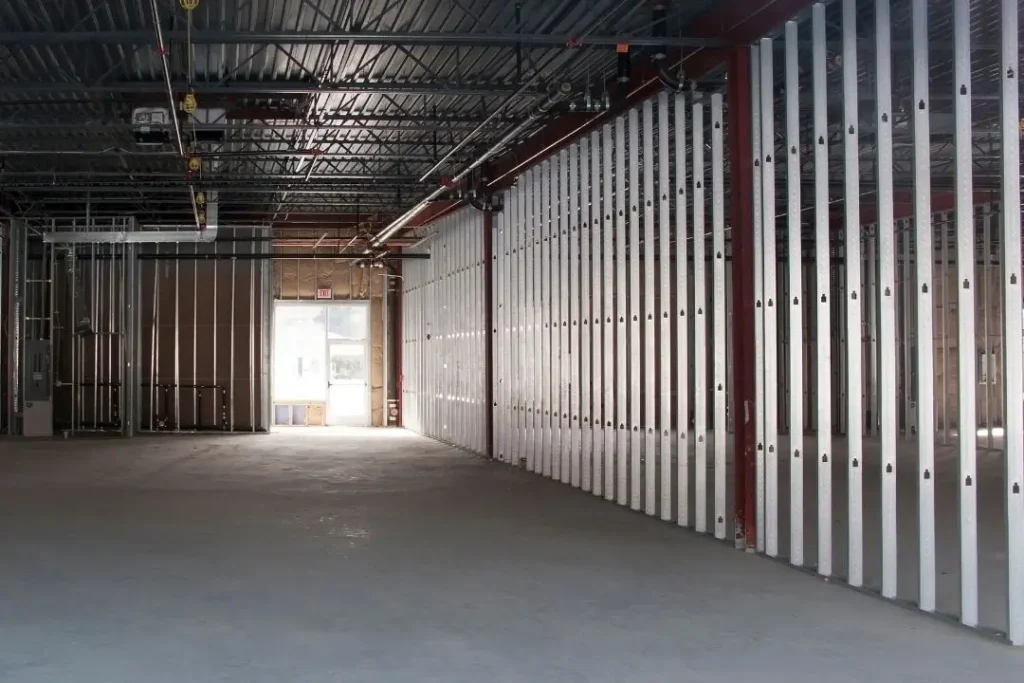
A cold shell tenancy is the most stripped-back starting point. You receive a space with structural walls, a concrete floor, and little else. There are no ceilings, no partitions, no air conditioning, no electrical fit-out, and often no bathroom facilities beyond a rough-in.
This is common in new commercial developments where the landlord has completed the base building but left all internal work to the tenant. The upside is full control over the layout and finishes. The downside is that everything costs money, and the scope of work is substantial.
Cold shell fitouts typically require the most planning, the longest lead time, and the most detailed coordination between trades. If you’re taking on a cold shell, your fitout budget needs to account for mechanical, electrical, hydraulic, and all internal construction from the ground up.
Warm Shell: More Done, But Not Finished
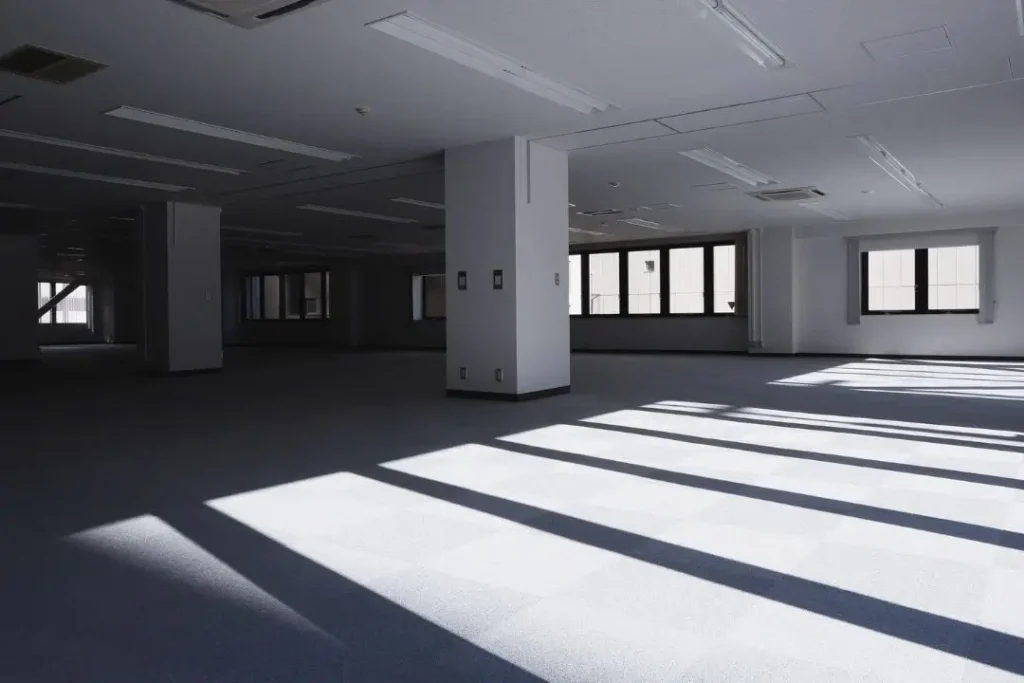
A warm shell sits between a cold shell and a fully fitted tenancy. The landlord has completed some base-level services, which might include air conditioning infrastructure, basic electrical supply to a distribution board, a suspended ceiling grid, and sometimes a concrete or tiled floor.
What counts as “warm” varies between landlords and buildings, so it’s worth reading the lease carefully to understand exactly what has been completed and what remains your responsibility. Commercial lease terms can significantly affect what you’re expected to install, maintain, and remove at the end of the term, so reviewing the conditions of your commercial lease before you commit is a sensible step.
Warm shell fitouts still require a meaningful scope of work, but the starting point is less raw. You’re typically finishing the space rather than building it from nothing, which can reduce both cost and construction time.
Fitted Out: Someone Else’s Layout, Your Problem to Change
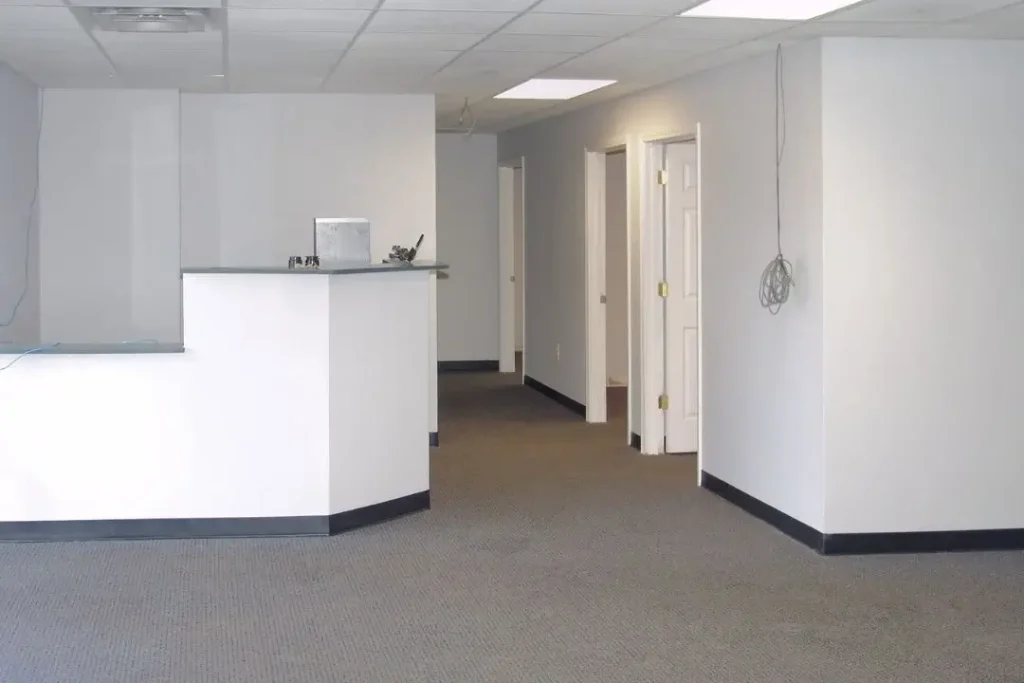
A fitted out tenancy comes with existing partitions, flooring, ceilings, lighting, and sometimes joinery or shopfronts already in place. This sounds convenient, but it comes with its own complications.
If the existing fitout suits your business, you may be able to move in with minimal work. If it doesn’t, you’re paying to demolish and remove someone else’s decisions before you can build your own. Demolition costs are real, and they’re often underestimated.
There’s also the question of what happens at the end of your lease. Make-good obligations can require you to return the tenancy to the condition it was in when you took it over, which means the starting condition matters enormously. The make-good requirements in your lease will differ depending on whether you inherited a fitted tenancy or built everything yourself from a cold shell.
How the Starting Condition Affects Your Fitout Scope
The practical difference between these three tenancy types comes down to scope and cost. A cold shell fitout is a full construction project. A warm shell fitout is a partial build. A fitted tenancy is either a light refresh or a demolition-and-rebuild, depending on what’s already there.
For retail fitouts in particular, the tenancy condition at handover has a direct impact on how long the project takes and how much disruption you face before trading. Retail tenants often have tight timelines tied to lease commencement, so understanding the starting point early gives you a realistic picture of what’s achievable.
It also affects your approval obligations. Depending on the extent of the work, certain fitout projects require development approval or building certification before construction can begin. The scope of commercial fitout approvals in Brisbane is tied to what you’re building, not just where you’re building it.
What to Clarify Before You Sign the Lease
Before committing to a tenancy, get a clear written description of the handover condition from the landlord. Ask specifically what services are connected, what is capped or rough-in only, and what the landlord will complete before your access date.
Walk through the space with a fitout professional before you sign if you can. What looks like a warm shell on paper can turn out to be closer to a cold shell once you understand what’s actually functional versus what’s simply present.
Knowing the tenancy condition also lets you build a realistic budget from the start, rather than discovering mid-project that the scope is larger than expected.
Choosing the Right Fitout Partner for Your Starting Point
The tenancy condition shapes the entire project, so the fitout company you work with needs to understand what they’re walking into. A team experienced across all three tenancy types will assess the space accurately, scope the work correctly, and give you a budget that reflects reality.
For fit out companies Brisbane businesses rely on, the ability to read a tenancy condition and translate it into a clear project scope is a fundamental part of the service.

Ready to Plan Your Fitout?
If you’re about to sign a commercial lease or you’ve already taken possession of a space, talking through the tenancy condition early makes the whole project smoother. Our team works across cold shell, warm shell, and fitted tenancies throughout Greater Brisbane.
Call us on (07) 3184 2360 or send us a message through our online enquiry form to discuss your space and what’s involved.