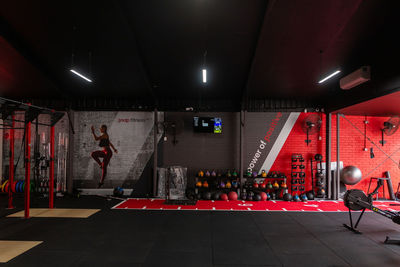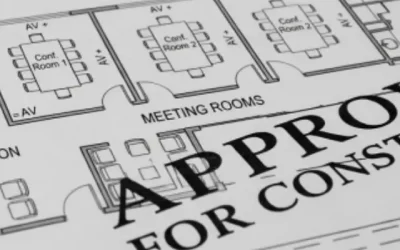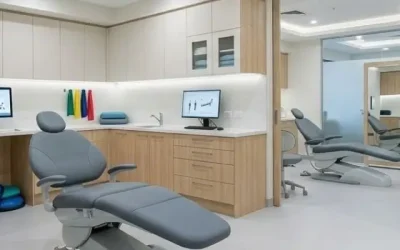
A Gym Fitout Is More Complex Than Most Commercial Fitouts
Opening a gym or fitness centre involves a level of planning that goes well beyond choosing equipment and paint colours. The physical demands of the space, the safety requirements, and the way members move through the facility all shape how the fitout needs to be designed and built.
Getting these decisions right before construction starts saves significant time and money. Getting them wrong can mean costly changes mid-build or a finished space that does not actually work for your members.
Floor Planning Drives Almost Every Other Decision
The layout of your gym determines how many members can train safely at once, how equipment zones connect, and whether the space feels open or cramped. Poor floor planning is one of the most common reasons gym fitouts underperform once the doors open.
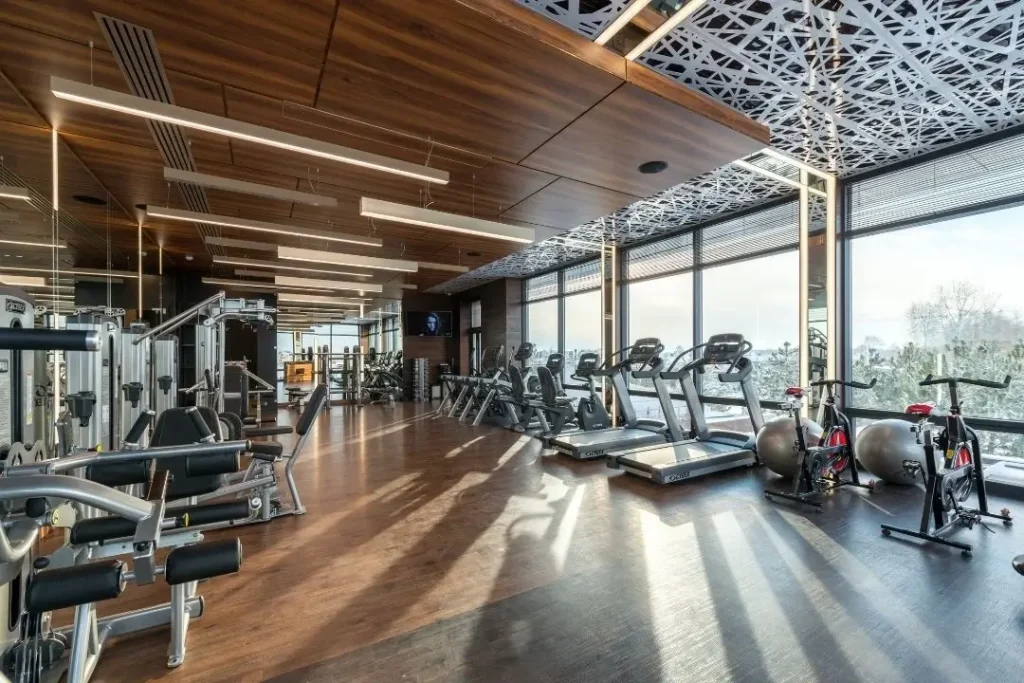
Key considerations include the separation of cardio and free weights areas, sightlines for supervision, and clear pathways between zones. Commercial gym floor planning also needs to account for member flow during peak hours, not just average usage.
A fitout builder with experience in fitness facilities will review your floor plan before any work begins. Structural elements like load-bearing walls and existing services can limit your options, so understanding the building’s constraints early is essential.
Flooring Is a Structural and Safety Decision, Not Just an Aesthetic One
Gym flooring takes a level of punishment that standard commercial flooring cannot handle. Dropped weights, heavy foot traffic, and the vibration from cardio equipment all degrade unsuitable surfaces quickly.
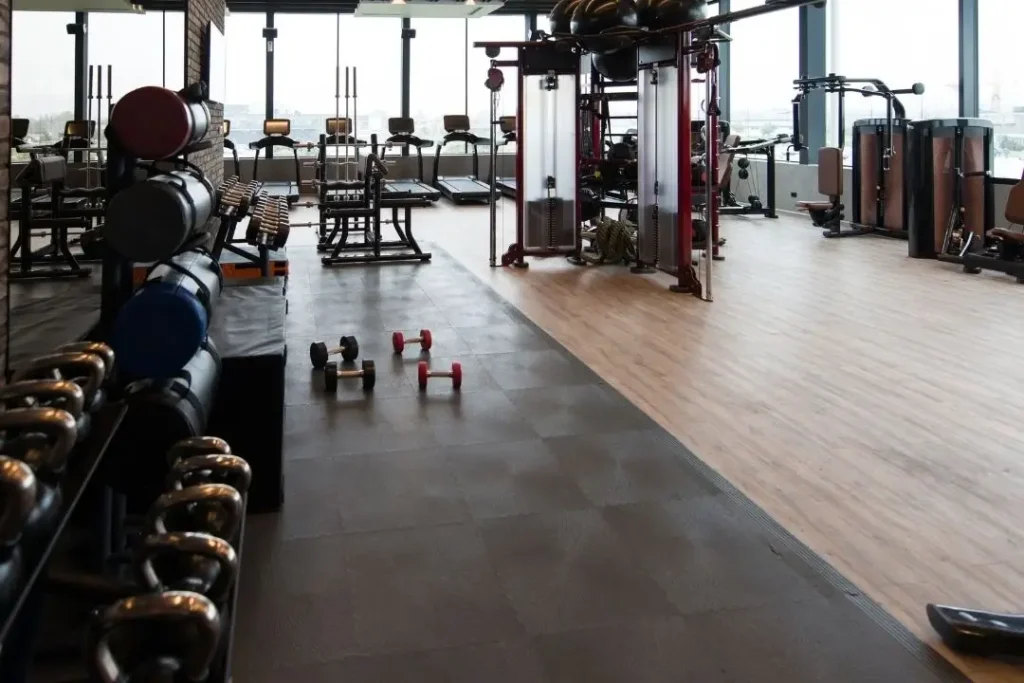
Rubber flooring in weights areas, sprung timber in group fitness studios, and vinyl or carpet tile in reception and change areas each serve different functions. Specifying the wrong material in any zone creates both a safety risk and an ongoing maintenance cost.
Subfloor preparation also matters. Uneven or poorly prepared subfloors cause rubber tiles to shift and create trip hazards over time. This is worth addressing during the fitout rather than after opening.
Ventilation and Electrical Capacity Are Often Underestimated
A gym generates significant heat and humidity, particularly during peak sessions. Standard commercial HVAC systems are rarely sufficient, and undersized ventilation leads to poor air quality, odour problems, and member complaints.
Electrical capacity is equally important. Commercial treadmills, ellipticals, and other powered equipment draw substantial load, and the electrical infrastructure needs to be planned around the equipment list, not retrofitted after installation.
Both of these systems need to be scoped during the design phase. Upgrading them after the fitout is complete is expensive and disruptive.
Compliance Requirements Affect the Design From the Start
Fitness facilities in Queensland are subject to workplace health and safety obligations that directly influence how a fitout is designed and built. These include requirements around emergency egress, equipment spacing, wet area drainage, and accessible facilities under the National Construction Code.
Gym operators also carry specific WHS obligations for fitness facilities that extend beyond the physical space, including signage, supervision requirements, and risk management procedures. Understanding these obligations before the fitout begins means the space can be built to support them, rather than having to adapt it later.
Your fitout builder should be familiar with these requirements and factor them into the design documentation from the outset.
Change Rooms and Amenities Need More Space Than You Think
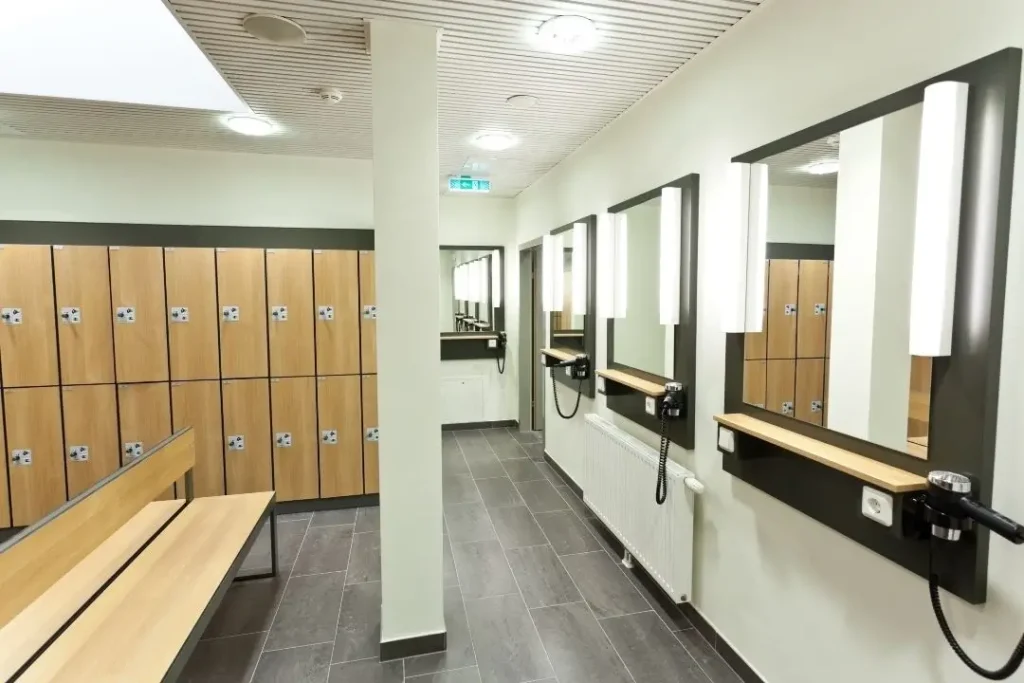
Change rooms are often treated as an afterthought in gym fitout planning, but members judge a facility heavily on the quality of these spaces. Cramped change rooms with inadequate storage, poor ventilation, or insufficient showers create a negative experience regardless of how good the training floor is.
The number of showers, lockers, and toilet facilities required will depend on your expected membership numbers and the class schedule. Building to minimum standards often means outgrowing the amenities within the first year.
Acoustic Treatment Protects Your Tenancy and Your Neighbours
Noise from a gym can travel significantly through shared walls, floors, and ceilings. This is particularly relevant in multi-tenancy buildings or mixed-use developments where other businesses or residents occupy adjacent spaces.
Acoustic treatment in a gym fitout typically includes wall and ceiling insulation, rubber underlays beneath flooring, and careful placement of sound systems and group fitness studios. Addressing this during the fitout is far more practical than dealing with complaints or lease disputes after opening.
Signage, Branding, and Member Experience Are Part of the Fitout Scope
A gym fitout is not just about the functional elements. The way a space looks and feels directly affects member retention and referrals. Signage, lighting design, colour choices, and the placement of mirrors all contribute to how members experience the facility.
These elements should be considered during the design phase, not added at the end. Integrating them into the fitout scope means they are built in properly rather than applied as surface-level additions.
Budgeting for a Gym Fitout Requires a Detailed Scope
Gym fitouts vary considerably in cost depending on the size of the space, the quality of finishes, the complexity of the mechanical and electrical work, and the extent of structural changes required. A rough per-square-metre estimate is rarely accurate enough to base a business case on.
The most reliable way to budget is to develop a detailed scope of works before seeking quotes. This means specifying flooring types by zone, equipment layouts, HVAC requirements, electrical load, and the full extent of any demolition or structural work.
For gym fitouts Brisbane business owners are planning, getting a proper scope developed early also makes it easier to compare quotes on a like-for-like basis.
Sequencing the Build Matters as Much as the Design
A gym fitout involves multiple trades working in a specific order. Structural work, mechanical rough-ins, and electrical cabling all need to be completed before walls are closed and flooring is laid. Disrupting this sequence leads to rework and delays.
If you are fitting out a tenancy in an existing building, the condition of the existing services will also affect the programme. Older buildings sometimes require upgrades to electrical switchboards, plumbing, or fire systems before the fitout can proceed.
Working with an experienced fitout team means these dependencies are identified and planned for before the build starts, not discovered partway through.

What to Do Before You Approach a Fitout Builder
Before engaging a builder, it helps to have a clear brief. This includes the size of the space, your target membership model (24-hour access, staffed, boutique studio, or large-format gym), the equipment list, and any brand or design requirements.
You should also have a realistic budget range in mind and an understanding of your lease terms, particularly around make-good obligations and any landlord approval requirements for structural changes.
The more clearly you can articulate what you need, the more accurate and useful the initial consultation will be.
Talk to Our Team Before Your Project Gets Too Far Along
The earlier you bring in a fitout builder, the more influence you have over the outcome. Decisions made late in the process are almost always more expensive and more limiting than decisions made at the design stage.
For shop fitters Brisbane gym and fitness business owners trust for commercial fitouts, our team works through the full scope with you before any work begins. Call us on (07) 3184 2360 or send us a message through our enquiry form to start the conversation.